Buyer problem
Urgency, consequence, budget, decision maker, user, alternative, and reason to act.
A warning sign is useful only when it changes the next diligence question. Pair every concern with a falsifier, document request, owner, deadline, and decision consequence.
Write the red flag, why it matters to the thesis, the alternative explanation, the evidence that would reduce or confirm it, who will obtain that evidence, and which decision changes if the gap remains.
Weak signal in view
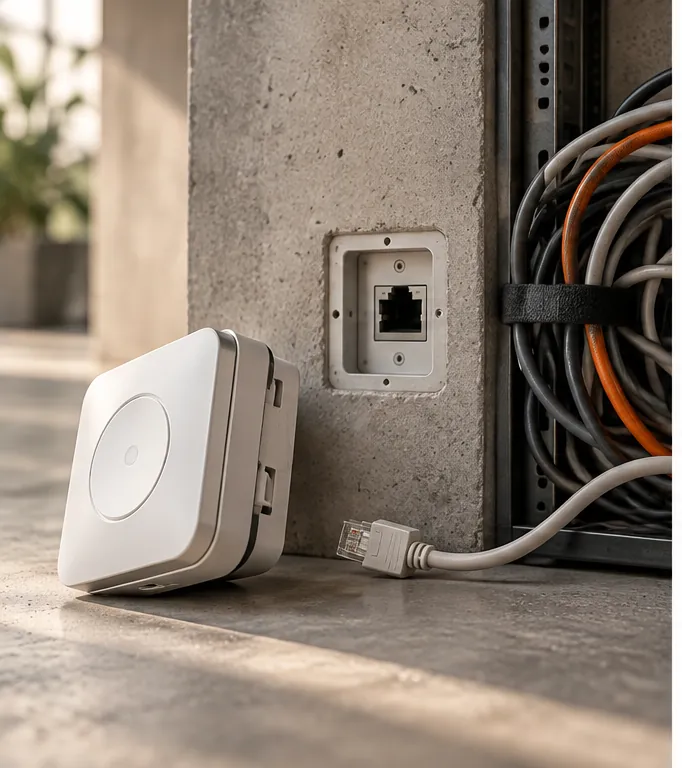
The most useful red flags point to missing integration, hidden delivery work, or assumptions that cannot yet be tested.
 01
01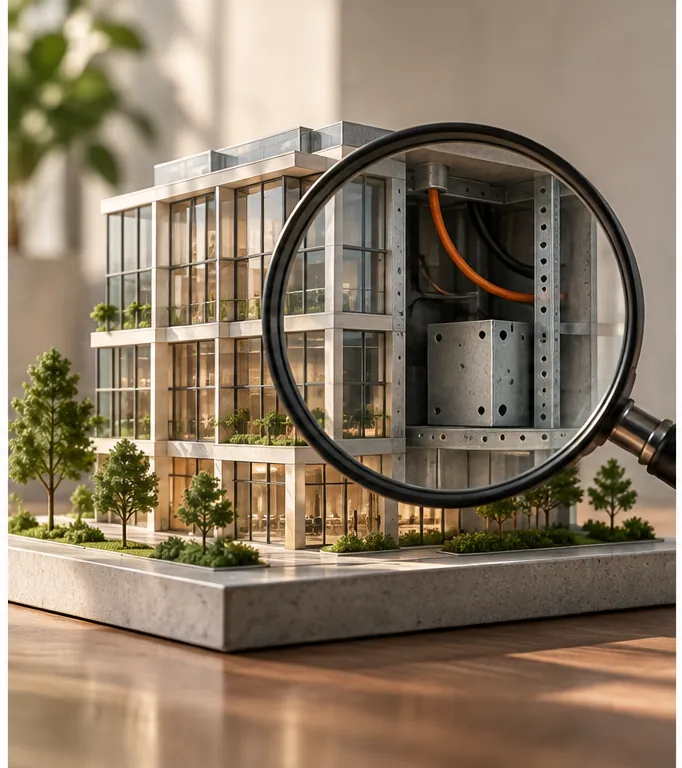 02
02 03
03Published 8 September 2026 · reviewed 9 September 2026. Editorial illustrations generated for Hamed Helped; they do not depict a named site, vendor, or client.
Thesis boundary
Urgency, consequence, budget, decision maker, user, alternative, and reason to act.
Access, integration, data, behavior, procurement, regulation, security, support, and time.
Pricing, delivery burden, margin, retention, expansion, concentration, cash need, and scale.
Rights, trust, distribution, workflow, data, switching, lifecycle, and exit conditions.
Risk register
Who owns the budget and can say yes? Ask for the buying committee, budget source, sales path, and veto roles.
What share reaches stable operation, active use, renewal, and expansion? Ask for deployment cohorts, not a logo count.
Separate product revenue from configuration, integration, hardware, site work, migration, training, and support effort.
Trace the legal and technical ability to collect, normalize, combine, use, train on, retain, transfer, and delete data.
If the product can affect access or building operation, ask for assets, identities, remote paths, lifecycle, incidents, and recovery.
Rebuild margin and cash needs with implementation, support, hardware, working capital, sales cycle, and failed deployment costs.
Test whether workflow position, distribution, trust, data rights, integration depth, or switching friction actually compound.
Decompose funding by stage, category, deal size, and capital type, then return to company-level customer and economic evidence.
Control baseline
Connect the concern to one explicit assumption in the investment or deployment thesis.
Avoid turning the first anomaly into a conclusion; state what else could produce the signal.
Prefer contracts, system records, cohorts, architecture, rights, accounts, tickets, financials, and direct observation.
Choose the person qualified to judge the evidence and accountable for accepting any residual uncertainty.
Define whether the result changes price, structure, scope, milestone, covenant, pilot condition, or the decision itself.
Governance
| Evidence domain | Lead reviewer | Primary record | Decision consequence |
|---|---|---|---|
| Customer and adoption | Commercial diligence | Cohorts, contracts, usage, reference calls, renewals | Market, revenue, and retention assumptions |
| Product and delivery | Technical/product diligence | Architecture, roadmap, deployment history, exceptions, service effort | Scale, margin, and capital plan |
| Data, security, regulation | Named specialists | Rights, policies, system evidence, incidents, assessments, regulatory map | Conditions, scope, liability, and stop criteria |
| Financial and ownership | Finance/legal diligence | Accounts, cap table, financing, tax, contracts, obligations | Structure, price, reserves, and closing conditions |
Four-pass review
Write the causal chain, milestones, dependencies, key evidence, and explicit falsifiers.
Mark each belief verified, derived, user-supplied, hypothesis, disputed, or missing.
Route material technical, security, legal, regulatory, financial, and property questions to named reviewers.
Record how resolved and unresolved gaps change conviction, terms, milestones, scope, or stop conditions.
Rebuild the positive case
Evidence trail
Current diligence framework across company, legal, financial, commercial, product, technology, regulatory, and governance readiness.
Primary guidance relevant when PropTech connects to building automation, access, and other OT.
Owner/operator considerations for direct system-data access and export.
Current reminder to decompose funding by stage, category, deal size, and capital type.