Current state
Measure the same asset, scope, time window, conditions, and process the proposal intends to change.
Build the case from a real operating baseline. Separate cashable change, avoided exposure, service and resilience value, strategic options, full lifecycle cost, and claims that remain unverified.
For every claimed benefit, record the affected workflow or outcome, current baseline, mechanism, beneficiary, cash or non-cash treatment, observation method, owner, timing, confidence, and the cost or dependency required to sustain it.
Return in view
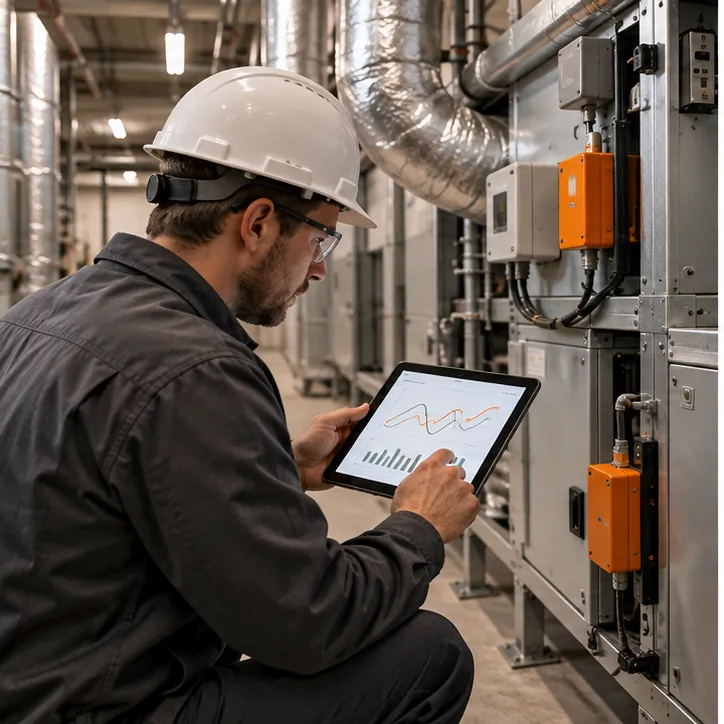
A return case needs a comparable baseline, full implementation cost, and evidence from the operating asset.
 01
01 02
02 03
03Published 8 September 2026 · reviewed 9 September 2026. Editorial illustrations generated for Hamed Helped; they do not depict a named site, vendor, or client.
Decision criteria
Measure the same asset, scope, time window, conditions, and process the proposal intends to change.
Identify when energy, labor, maintenance, revenue, or other changes alter an actual budget or cash flow.
Describe the scenario, consequence, existing control, changed likelihood or impact, and evidence limits.
Record service, insight, resilience, comfort, control, compliance, or strategic options separately from cash.
Include design, equipment, network, integration, migration, security, training, support, updates, replacement, and exit.
State the method, data rights, counterfactual, attribution limits, owner, review date, and confidence.
Questions to ask
Use comparable asset conditions, scope, weather or occupancy context, workflow, time period, and measurement method.
Separate owner, operator, tenant, occupant, service provider, insurer, regulator, and community outcomes.
Show the budget line, timing, contract or behavior needed, leakage, rebound, and who can realize it.
Include integration, networks, data, licenses, support, cybersecurity, operating labor, updates, replacement, and exit.
Define comparison, confounding conditions, data quality, exclusions, owner, and decision rule before launch.
Test data, configuration, devices, controls, integrations, operating knowledge, and replacement economics.
Evidence table
| Claim or decision | Evidence | Owner | When checked |
|---|---|---|---|
| Cashable saving | Comparable baseline, observed consumption or labor change, tariff/cost basis, budget realization | Finance + operations | Before approval and after stable operation |
| Avoided exposure | Named scenario, consequence, control change, incident or engineering evidence, residual risk | Risk owner | Design and periodic review |
| Service outcome | Defined user, experience or response measure, consent and data basis where relevant | Service/experience owner | Pilot and post-occupancy review |
| Lifecycle cost | Capital, implementation, network, integration, security, support, update, replacement and exit model | Asset manager + procurement | Business case and renewal |
| Attribution | Measurement plan, counterfactual, exclusions, quality checks, data rights and analyst | Evidence owner | Before implementation |
Failure modes
A percentage is carried into the model without comparable asset conditions, scope, period, method, or denominator.
One operational change appears as energy, maintenance, asset value, satisfaction, and resilience without separating overlap.
Avoided exposure is added like a certain saving without scenario, probability, control, timing, or residual risk.
Network, integration, security, support, updates, data work, operating labor, replacement, and exit disappear from the model.
Test the assumptions
Evidence trail
Framework for considering operational, strategic, resilience, and other smart-building value dimensions.
Industry guidance on design, procurement, deployment, interoperability, and data-management effects across the lifecycle.
Owner/operator guidance on data access and export needed for durable measurement and control.